
Wallops Wood is located in Hampshire’s beautiful Meon Valley and is a stone’s throw from the village of Droxford. Some of our guests pop into Droxford, mainly to take a wander along the riverbank or have a meal at the Bakers Arms. But there’s a lot more to Droxford than the pub! It has an interesting and varied history going back around 2000 years when Saxon farmers built a barrow (burial chamber) on what is now the village.
Ancient History of Droxford
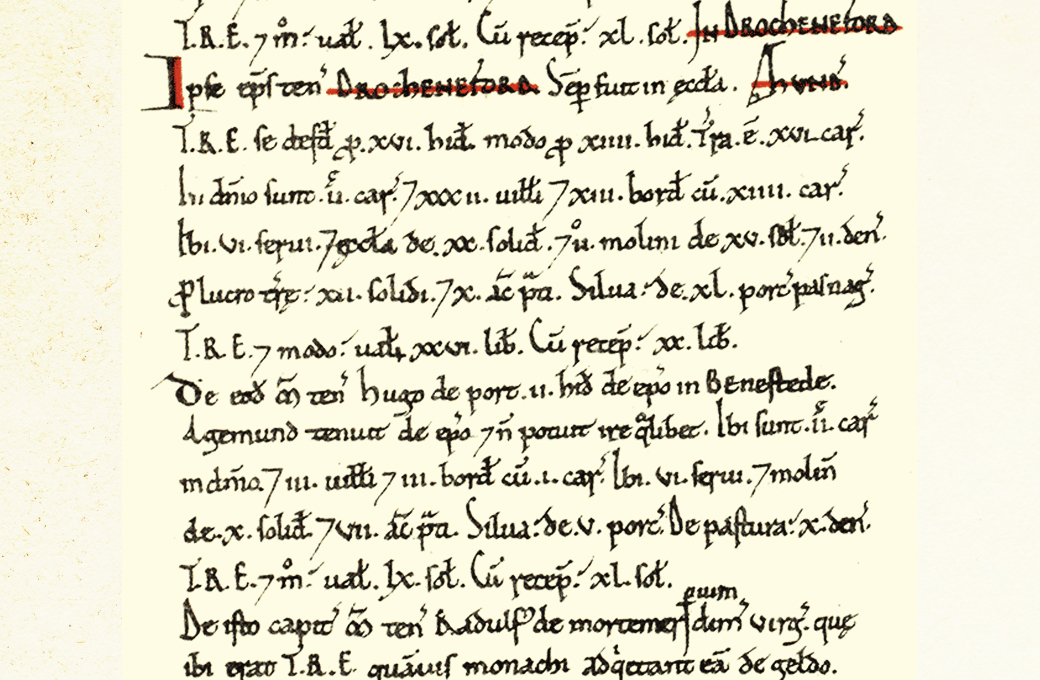
In the 6th century when Jutes from Denmark invaded Britain, they settled in the area and named the village Droccanford (Drocca’s ford). It was later renamed to Drokeireford in the 9th century when it was first mentioned in writing. At the time of the Domesday book in 1086, there were 250 to 300 people living in Droxford. The Bishop of Winchester held the manor at Droxford and parts of the church go back to the mid 12th century.
In the 1660s the government placed a tax on fire hearths. In Droxford there were 38 households with a population of around 200. 10 households were exempt from the fire hearth tax as they were too poor to pay it, meaning about a quarter of households were living in poverty. 7 households had only 1 hearth which meant these dwellings had only one or two rooms. In contrast, one man, Sir Richard Uvedale (who rented the Droxford Manor from the Bishop of Winchester) had 15 hearths!
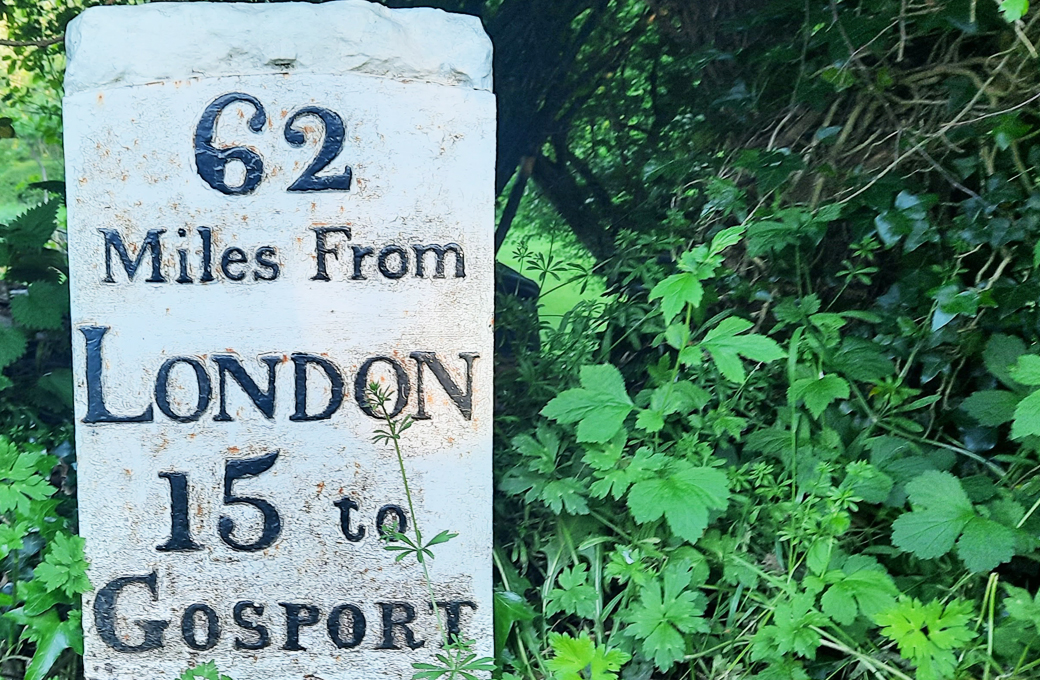
The population of Droxford grew to 1200 by 1801, including Shedfield and Swanmore residents. Dissuading people from seeking help from the state, Droxford’s workhouse was built in 1837. Conditions were very harsh but it wasn’t until 1971 that the building was finally demolished.
Droxford grew to a large village during the 19th Century. A police station was built in 1858, a Methodist Chapel in 1886, and a fire station in 1902 after two servant girls died in a house fire. A cycle works opened in 1904 which later became a garage.
Modern Droxford
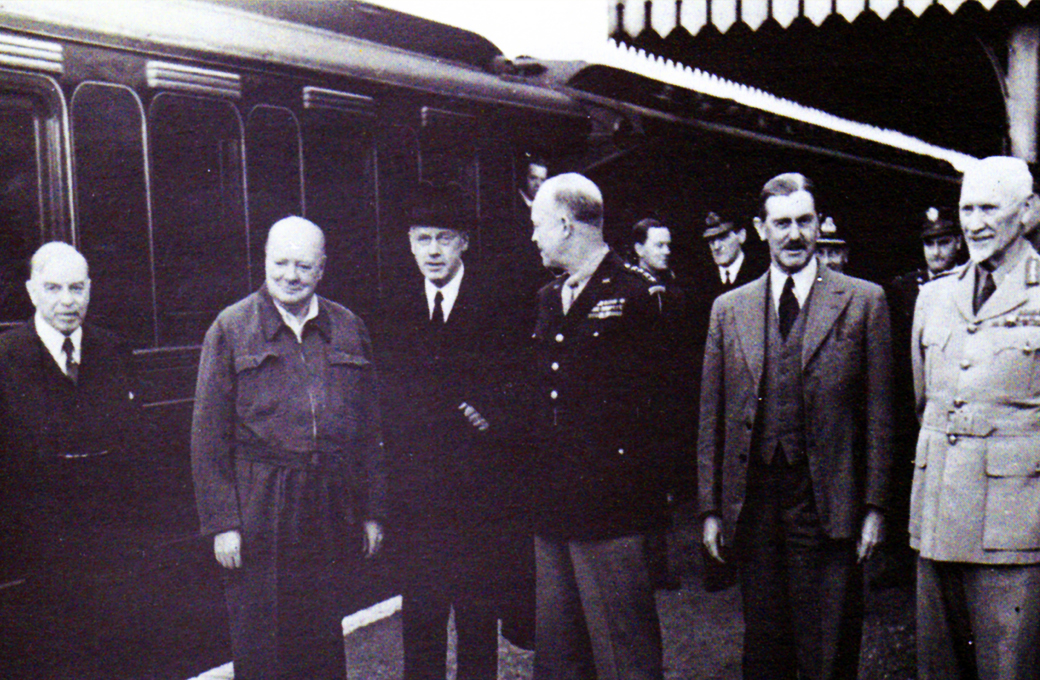
The Meon Valley railway line opened in 1903 and served stations between Alton and Fareham. Droxford’s station played a critical function during WWII. Due to the length of its siding close to a deep cutting, the train could be pushed to safety during air raids. This location was chosen for a summit between Churchill, Canadian Prime Minister William Lyon Mackenzie King, General Jan Smuts and General Dwight D. Eisenhower. They discussed the final plans of Operation Overlord, the D Day Landings, and subsequently postponed the invasion from 5 June to 6 June 1944.
The railway line closed to passengers in 1955 and to goods in 1962 as part Beeching’s cuts. This line now forms the Meon Valley Trail which is a popular trail for walking and cycling.
By the 1960s Droxford had a population of 661 and 1 school, 9 shops, 2 pubs and a bank. The police station closed in 1966 and the bank and shops have since closed. The population of Droxford now stands at about 700 so it hasn’t grown much since the 1960s. It still has 2 pubs (The Bakers Arms and The White Horse) and our guests have enjoyed delicious meals in both and recommend them!
Sources:
A History of Droxford via Local Histories
The Meon Valley Railway on Wikipedia
Images:
Featured image of Meon Valley: Nick Fewings on Unsplash
WWII Allied Leaders meet at Droxford Station: friendsofdroxfordchurch.org.uk)
Domesday Book entry for Droxford: Professor John Palmer, George Slater, via opendomesday.org/place/SU6018/droxford/)